Floor scrubber batteries decide how much floor you can clean in a shift, how often the machine sits on a charger, and how much you spend on replacements. Many facility managers only think about them when a scrubber dies halfway down an aisle. By then the damage is done.
The good news is that battery life is mostly in your hands. Picking the right chemistry for your shifts and building a few simple habits can keep a battery bank working longer. This guide compares lead-acid, AGM and lithium-ion, explains runtime and charge time, and shows when it is time to call a technician. Specs vary by model, so your nearest Haaker Total Clean branch can give you the exact figures for your machine.
Flooded lead-acid batteries are usually the lowest price to buy but need regular watering. AGM batteries are sealed and lower maintenance. Lithium-ion generally costs the most up front but offers faster charging and less upkeep. The right choice depends on your shift length, labor and budget.
The Three Battery Types Used in Floor Scrubbers
Flooded Lead-Acid
This is the traditional deep-cycle battery. Each cell holds liquid electrolyte, and the water level drops with use and charging. You have to check it and top it off with distilled water on a schedule.
Flooded batteries are usually the lowest price to buy, which is why they are still common. The trade-off is labor. Skip the watering and they fail early.
AGM (Absorbed Glass Mat)
AGM batteries are a sealed type of lead-acid battery. The electrolyte is held in a glass mat, so routine watering is not part of the job. That makes them popular where staff turnover is high or nobody wants to own a watering routine.
They still need the right charger and good charging habits. A charger set for the wrong battery type can shorten the life of any battery.
Lithium-Ion
Lithium-ion packs are known for being lighter and for quick charging, and they usually cost more to buy. They need a charger made for that pack. Whether a given machine can use lithium-ion, and which pack fits it, depends on the model, so ask a Total Clean specialist before you plan around it.
Lead-Acid vs AGM vs Lithium-Ion Compared
The table below shows general differences in kind, not exact numbers. Charge times, lifespans and runtimes vary by brand, machine and how the batteries are used. Call your nearest Haaker Total Clean branch for the exact figures on the machine you are looking at.
| Feature | Flooded Lead-Acid | AGM | Lithium-Ion |
|---|---|---|---|
| Upfront cost | Generally lowest | Generally in the middle | Generally highest |
| Routine watering | Yes, on a schedule | Generally not part of the routine | Generally not part of the routine |
| Charge time | Longer, often planned overnight | Longer, often planned overnight | Generally shorter |
| Quick top-up charges | Ask the maker before trying | Ask the maker before trying | Often better suited |
| Service life | Varies with use and care | Varies with use and care | Varies with use and care |
| Weight | Heavier | Heavier | Lighter |
| Best for | Tight budgets, single shifts, staff who will water | Low-maintenance fleets | Busy, multi-shift use |
Runtime vs Charge Time
How Long a Charge Really Lasts
Runtime depends on the machine, the pad or brush, the floor, and how hard the scrubber works. A smaller machine on a smooth floor will usually run longer than a large machine pushing through heavy soil. Runtime figures in brochures are measured under set conditions, so expect real life to differ.
Because every model is different, the spec sheet is the place to look for runtime. A Total Clean specialist can walk you through it and help you estimate what your own floors will demand.
Why Charge Time Matters for Scheduling
Lead-acid and AGM batteries usually need a full, uninterrupted charge. If a second shift needs the machine, that charge window disappears. Many operations in that spot end up running batteries too low or charging them partway, and both habits shorten battery life.
Faster-charging battery types can make a busy schedule easier to manage. That is why multi-shift sites, warehouses and distribution centers often look at them. If you run a single shift and have a good overnight routine, a traditional battery can still be the better value.
Charging and Watering Habits That Make Batteries Last
Charge After Every Shift
Plug the machine in at the end of each use, even if it did not run long. Lead-acid batteries like to be recharged regularly and do not like being left half empty. Letting them sit discharged is a common cause of early failure.
Do Not Run Them Dead
Draining batteries to the very bottom strains them. Many scrubbers have a battery gauge or cutoff for this reason. When the machine slows down or the gauge drops low, finish up and charge. Follow the guidance for your machine and battery.
Water Flooded Batteries Correctly
For flooded batteries, check water levels on a regular schedule. Use distilled water only, and do not overfill. Wear gloves and eye protection, and follow the battery maker’s instructions for the exact steps.
Our floor scrubber maintenance guide covers how a preventive maintenance program can make this part of a routine.
Use the Right Charger
Match the charger to the battery type and size. A charger made for one kind of battery may not suit another. Using the wrong one can undercharge, overcharge or damage the pack. If you are not sure what you have, ask a Total Clean specialist to look.
Keep Terminals Clean and Cables Tight
Corrosion and loose connections waste power and create heat. Wipe terminals, check cables and keep the battery compartment dry and clean. Small checks like these are quick and often catch a problem early.
Mind the Temperature and Airflow
Very hot or very cold storage areas can affect battery performance and life. Charge in a clean, open, well-ventilated area, and follow the battery and charger maker’s instructions for your setup.
Storing a Machine Over a Slow Season
If a scrubber will sit unused, charge the batteries first and check them from time to time. Batteries slowly lose charge when idle. Ask a Total Clean specialist about storage steps that match your battery type.
Signs It Is Time to Replace Your Floor Scrubber Batteries
Batteries rarely fail all at once. They usually fade, and the clues show up in daily use.
- Runtime keeps getting shorter, even after a full charge.
- The machine slows down or loses scrubbing power before the shift ends.
- Batteries take much longer to charge, or the charger never seems to finish.
- Cases look swollen, cracked or leaking.
- You see heavy corrosion on terminals that returns soon after cleaning.
- One battery in the bank runs hot or smells strange while charging.
- You are adding water far more often than before.
When you can, replace batteries as a matched set. One weak battery in a bank pulls the others down and can shorten their life too.
When to Call for Service
Some battery problems are routine, and some are not. Call a technician if the machine will not hold a charge, if a battery case is damaged or leaking, or if the charger shows a fault code you cannot clear. Do the same if runtime drops suddenly rather than slowly, since that can point to a bad cell or an electrical issue.
Haaker Total Clean provides service with factory-trained technicians and on-site service trucks. You can request a service call or use our service scheduling page, then ask a specialist what is available for your location and what is included.
Old Batteries
Used batteries need careful handling and should be dealt with according to local rules, which can differ by state and city. When you replace a set, ask a Total Clean specialist how old batteries can be handled, and check with your local authorities.
Choosing a Battery When You Buy or Replace
If you are buying a new machine, battery type is part of the decision. Our guides on how to choose a floor scrubber and walk-behind vs ride-on scrubbers help you size the machine first. Then match the battery to how you run it.
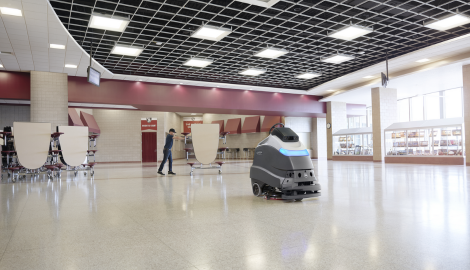
Planning on robotic cleaning? Read our autonomous floor scrubber buyer guide. Automated machines often run on a set schedule, so a reliable charging routine matters even more.
Not ready to commit? Renting may be one way to see how a machine fits your routine. Look at our floor scrubber rental page, then ask a Total Clean specialist what is available.
Quick Decision List
- If you run a single shift and have staff who will water batteries, choose flooded lead-acid.
- If you want sealed batteries with less routine upkeep at a moderate price, choose AGM.
- If your machine runs more than one shift or needs fast top-ups, ask about lithium-ion for your model.
- If nobody owns battery care, choose AGM or lithium-ion over flooded.
- If you are on a tight budget and plan to keep the machine a short time, choose the type the machine was built for and keep it simple.
- If you are unsure, choose a service visit first so a technician can look at what you have.
Frequently Asked Questions
How long do floor scrubber batteries last?
It depends on battery type, how hard the machine works and how well the batteries are cared for. Good charging and watering habits make the biggest difference. For realistic expectations on your exact machine and battery, call your nearest Haaker Total Clean branch and ask a specialist.
Are lithium-ion floor scrubber batteries worth the extra cost?
They can be, especially for busy multi-shift sites that value fast charging and less upkeep. For single-shift use with a solid overnight routine, a traditional battery may be the better value. Compare total cost over the life of the machine, not just the price tag.
Can I replace lead-acid batteries with lithium-ion in my scrubber?
It depends on the machine. The scrubber needs a compatible charger and electrical system, and the manufacturer may have rules about changing battery types. Do not swap on your own. Ask a Total Clean specialist what your specific model supports before you buy anything.
How often should I water floor scrubber batteries?
Flooded batteries need regular checks, and the right schedule depends on how hard the machine works and the battery maker’s instructions. Always use distilled water and avoid overfilling. Sealed battery types are designed for less routine upkeep, so confirm the care steps for the type you own.
Why does my scrubber run out of power early?
The usual causes are aging batteries, an incomplete charge, a bad charger or worn parts making the motors work harder. Start by checking the charge routine and terminals. If runtime stays short, have a technician test the batteries and charger.
Should I charge my scrubber every night?
For lead-acid and AGM batteries, plugging in after each shift is a good habit, even if the machine did not run long. Regular full charges help prevent early wear and keep runtime steady. For lithium-ion packs, follow the maker’s guidance for your machine.
The Bottom Line
Match the battery to your schedule. Flooded lead-acid is the budget pick if you will water it, AGM trades a higher price for less upkeep, and lithium-ion tends to suit busy, multi-shift floors. Charge after every shift, keep terminals clean and replace worn batteries as a set. When something seems off, a quick service visit often costs far less than a dead machine.
Why Choose Haaker Total Clean for Floor Scrubber Batteries and Service
Haaker Total Clean sells new, used and rental floor cleaning equipment and provides service, and our factory-trained technicians keep it running. Our on-site service trucks come to you, and our branches serve California, Nevada and Arizona. For exact specs, pricing, availability and services, contact your nearest Haaker Total Clean branch.
Browse our walk-behind floor scrubbers and ride-on floor scrubbers, book a demonstration, request a quote or contact us with questions. Call the branch nearest you below.
Call or Visit the Branch Nearest You
Haaker Total Clean serves California, Arizona, and Nevada. Tap a number to call, or choose “View map” for the address and directions.