You spent real money on a quality floor scrubber, so the detergent you run through it should not be an afterthought. In a Las Vegas facility, the wrong floor scrubber detergent can leave streaks, dull your finish, build up residue, or even damage a coated floor. The right one cleans in a single pass, protects your surface, and keeps floors safe underfoot. The choice is not about buying the strongest cleaner you can find. It is about matching the detergent to your floor, your soil, and your machine. This guide breaks down how to choose, what pH means, and what our dry climate and hard water add to the picture.
The right floor scrubber detergent is matched to your floor type and soil load, not just strength. Use neutral pH cleaners for daily maintenance and coated floors, alkaline cleaners for grease and heavy soil, and acidic cleaners for mineral and hard-water deposits. Always use a low-foaming formula made for automatic scrubbers.
Why Detergent Choice Matters More Than You Think
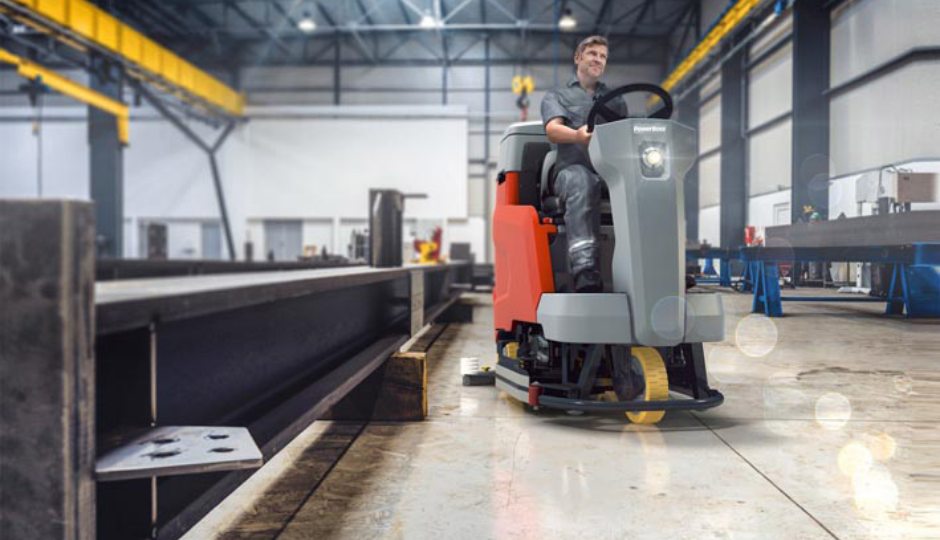
An automatic scrubber lays down solution, scrubs, and recovers it in seconds. That means the detergent has only a short window to lift soil. A formula matched to your floor does the job in one pass. A mismatched one forces you to slow down, double scrub, or mop afterward, which wastes the time the machine was supposed to save.
Detergent also affects safety and floor life. Too much cleaner or the wrong type leaves a slick or sticky film that attracts dirt and raises slip risk. Harsh chemicals can strip coatings and etch concrete over time. Choosing well protects both your people and your investment in the floor.
Match the Detergent to Your Floor Type
Your floor surface is the first thing to consider, because some cleaners that are fine on bare concrete will harm a coated or polished floor.
Sealed and Polished Concrete
Polished and sealed concrete looks best with neutral pH cleaners for daily work. Strong alkaline or acidic products can dull the polish and break down the sealer. Save heavier cleaners for occasional deep cleaning, and rinse well.
Epoxy and Coated Floors
Epoxy, urethane, and other coatings need gentle, neutral cleaners most of the time. Aggressive degreasers can soften or discolor the coating. If you have heavy grease on a coated floor, use a cleaner rated as coating safe rather than the strongest degreaser on the shelf.
Tile, VCT, and Bare Concrete
Tile, vinyl composition tile, and bare concrete are more forgiving. They handle stronger alkaline cleaners for grease and ground-in soil. Bare concrete in a warehouse or shop can take a heavier degreaser, though you still want a low-foaming formula made for scrubbers.
Floor Type to Detergent Quick Guide
| Floor | Daily cleaner | Heavy soil | Avoid |
|---|---|---|---|
| Polished concrete | Neutral pH | Mild alkaline, rinse well | Acids and harsh strippers |
| Epoxy and coatings | Neutral pH | Coating-safe degreaser | Strong solvents and degreasers |
| Tile and VCT | Neutral pH | Alkaline cleaner | Strong acids on grout long term |
| Bare concrete | Neutral or mild alkaline | Alkaline degreaser | High-foam consumer products |
Match the Detergent to Your Soil
After the floor, think about what you are actually cleaning up. The soil decides the chemistry.
Everyday dust, foot traffic, and light grime call for a neutral daily cleaner. Grease, oil, and food soil need an alkaline cleaner or degreaser that breaks down fats. Mineral scale, rust, and hard-water deposits respond to an acidic cleaner. Trying to remove grease with a neutral cleaner, or scale with an alkaline one, is the most common reason a scrubber seems to underperform.
Understanding pH in Plain Terms
pH is just a scale from acidic to alkaline, and it is the single most useful thing to understand about floor detergents.
| Type | Best at removing | Typical use |
|---|---|---|
| Acidic | Mineral scale, rust, hard-water film, grout haze | Restorative and deep cleans |
| Neutral | Light daily soil and dust | Everyday maintenance, coated floors |
| Alkaline | Grease, oil, food soil, heavy grime | Kitchens, shops, warehouses |
If you remember one rule, make it this. Neutral for daily, alkaline for grease, acidic for minerals.
Las Vegas Water and Climate Considerations
Local conditions matter more than many facility managers expect. Las Vegas has hard water, which means more dissolved minerals. Hard water can reduce how well a detergent works and can leave a white film or spotting as floors dry. A cleaner formulated for hard water, or proper dilution, helps avoid that haze.
Our dry desert air also speeds evaporation. Solution can dry on the floor before the machine recovers it, leaving streaks or residue. Work in manageable sections, keep your squeegee in good shape, and do not overdose the detergent. More cleaner is not better, and in a dry climate it is more likely to leave a film.
Dilution, Cost, and Safety
The cheapest jug is rarely the cheapest to use. Concentrates that dilute correctly often cost less per gallon of working solution than ready-to-use products. Follow the dilution on the label, because overusing detergent wastes money and leaves residue that attracts dirt.
Safety counts too. Keep an eye on slip resistance, store chemicals properly, and keep the safety data sheets on hand for your team. If you are not sure which products are compatible with your machine and floor, our team can help you build a simple, safe lineup.
A Simple Decision Framework
- If you are cleaning daily traffic and dust, choose a neutral pH cleaner.
- If you fight grease, oil, or food soil, choose an alkaline cleaner or degreaser.
- If you see scale, rust, or hard-water film, choose an acidic cleaner for that job.
- If you have polished or coated floors, default to neutral and coating-safe products.
- If your floors dry with white spots, switch to a hard-water formula and check your dilution.
- Whatever you pick, make sure it is a low-foaming detergent made for automatic scrubbers.
Frequently Asked Questions
Can I use regular floor cleaner in my automatic scrubber?
No. Household and high-foam cleaners create suds that can fill the recovery tank and damage the vacuum motor. Automatic scrubbers need low-foaming detergents built for them. Using the right product protects the machine and gives you a cleaner, streak-free floor.
What pH detergent is safe for polished concrete?
Stick with neutral pH cleaners for daily work on polished concrete. They clean without dulling the shine or breaking down the sealer. Use stronger alkaline or acidic products only for occasional deep cleaning, and rinse thoroughly so nothing is left to attack the finish.
Why does my floor look hazy after scrubbing in Las Vegas?
Haze usually comes from hard water, too much detergent, or solution drying before recovery. Try a hard-water formula, reduce your dilution to the label rate, and work in smaller sections. A fresh, clean squeegee blade also helps the machine pick up solution before it dries.
Is one all-purpose detergent enough for my facility?
A good neutral cleaner covers most daily needs, but most facilities also keep an alkaline degreaser for grease and sometimes an acidic cleaner for mineral buildup. Two or three well-chosen products handle nearly every situation without overcomplicating your supply closet.
Will the wrong detergent void my scrubber warranty?
It can. High-foam or incompatible chemicals that damage tanks, hoses, or motors may not be covered. Always use detergents rated for automatic scrubbers. If you are unsure, our Las Vegas team can confirm what is safe for your specific machine and floor.
The Bottom Line
Choosing a floor scrubber detergent is about matching the cleaner to your floor and your soil, then accounting for Las Vegas hard water and dry air. Use neutral for daily cleaning, alkaline for grease, and acidic for minerals, always in a low-foaming formula. Get that right and your scrubber cleans faster, your floors last longer, and your facility stays safer.
Why Buy Your Floor Scrubber Chemicals From Total Clean Equipment
Total Clean Equipment offers the very best floor scrubbers, sweepers, and cleaning supplies across California, Arizona, and Nevada. As part of the Haaker family of companies, we help you match detergents to your machine and floors, and we back it all with parts, service, and on-site support. Our Las Vegas team can simplify your chemical lineup so every product earns its place.
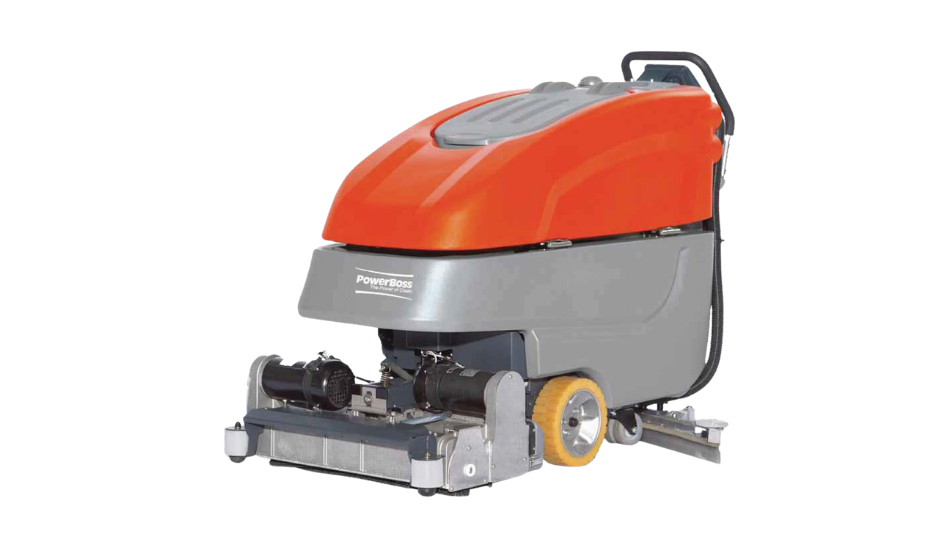
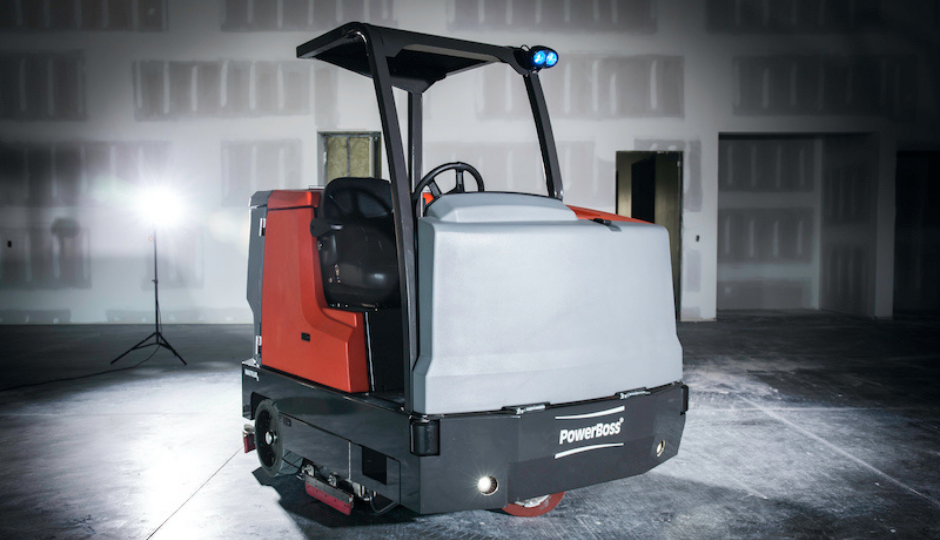
Want help choosing the right floor scrubber chemicals and detergents? Call our Las Vegas location at 702-639-0156 or contact our team. You can also browse our walk-behind floor scrubbers and ride-on floor scrubbers to complete your cleaning setup.