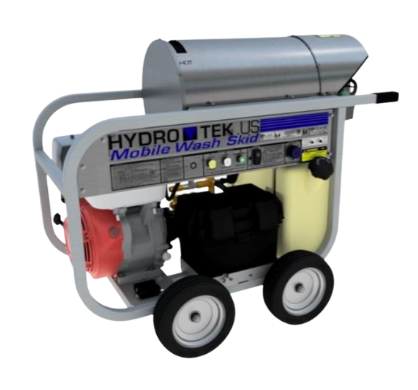
In California’s Central Valley, cleaning is not a chore you can skip. Dairies, packing houses, food plants, and farms face mud, grease, animal fats, and strict sanitation rules every day. An industrial pressure washer is the tool that keeps equipment, floors, and work areas clean and compliant. The problem is that pressure washers are not all the same. Picking by price or by the biggest pressure number on the box often leads to a machine that cannot sanitize, cannot keep up, or breaks down under daily use. This guide explains how to choose industrial pressure washers for agriculture and food processing, from hot versus cold water to trailer-mounted units and water recovery.
For agriculture and food processing in the Central Valley, the right pressure washer is chosen by the soil and the sanitation need. Hot water units break down grease, fats, and bacteria for food-grade cleaning, cold water units handle mud and dust, and trailer-mounted models clean remote sites. Build quality matters most for daily use.
The Cleaning Challenges in Central Valley Ag and Food Plants
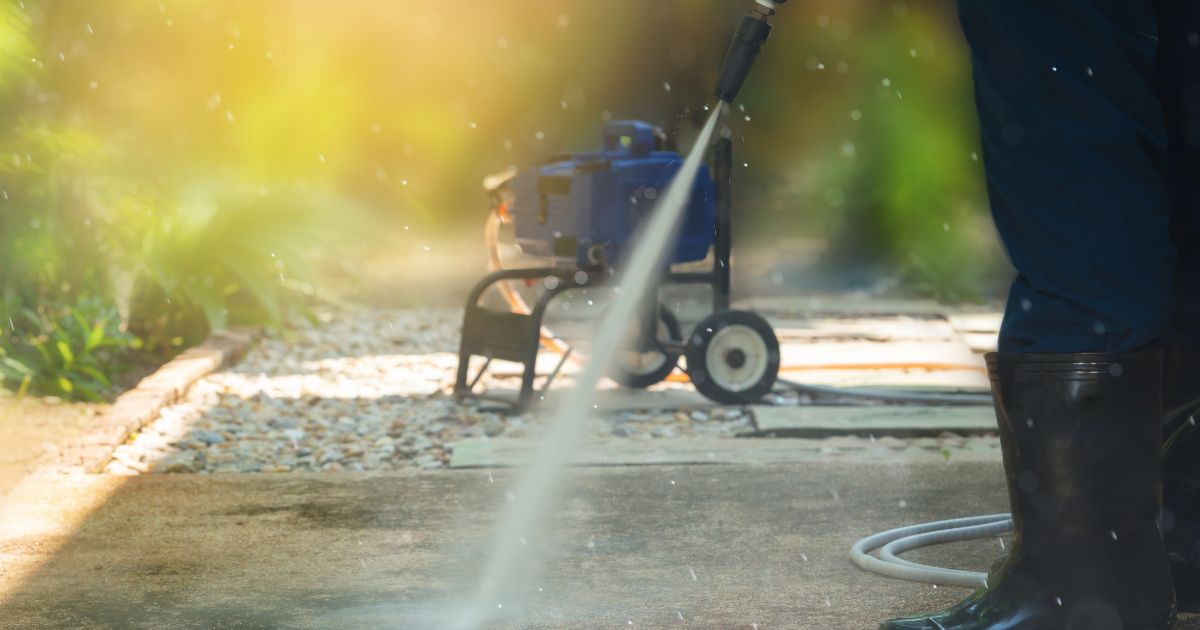
The Central Valley runs on agriculture, and each operation brings its own mess. Dairies and livestock sites deal with manure, mud, and animal fats. Packing houses and food plants fight grease, sugar, juice, and product residue that must be removed to meet sanitation standards. Farms and equipment yards battle caked dirt, hardpan, and oily buildup on machinery.
These soils are very different, and they demand different cleaning. Greasy and fatty soils and any food-contact surface usually need heat to clean and sanitize properly. Mud, dust, and general yard grime can often be handled with cold water and good flow. Choosing a machine that matches your real soil is the difference between a quick job and a frustrating one.
Hot Water vs Cold Water
This is the first big decision, and it comes down to what you are removing.
Hot water pressure washers use heat to break down grease, oils, and fats and to help reduce bacteria. For food processing, dairies, and any food-contact cleaning, hot water is usually the right call because it sanitizes in a way cold water cannot. Cold water pressure washers are simpler and often less expensive, and they do a strong job on mud, dust, and general dirt where heat is not required.
| Need | Best choice | Why |
|---|---|---|
| Grease, fats, oils | Hot water | Heat breaks down fats fast |
| Food-contact sanitation | Hot water | Helps remove residue and bacteria |
| Mud, dust, dirt | Cold water | Flow and pressure handle loose soil |
| Equipment and yard cleaning | Cold or hot | Depends on oil and grease present |
Many Central Valley operations end up with a hot water unit because food and animal soils are so common here. If you clean a mix of areas, our team can help you decide whether one hot water machine covers it all.
Stationary, Portable, and Trailer-Mounted Units
Where and how you clean decides the format.
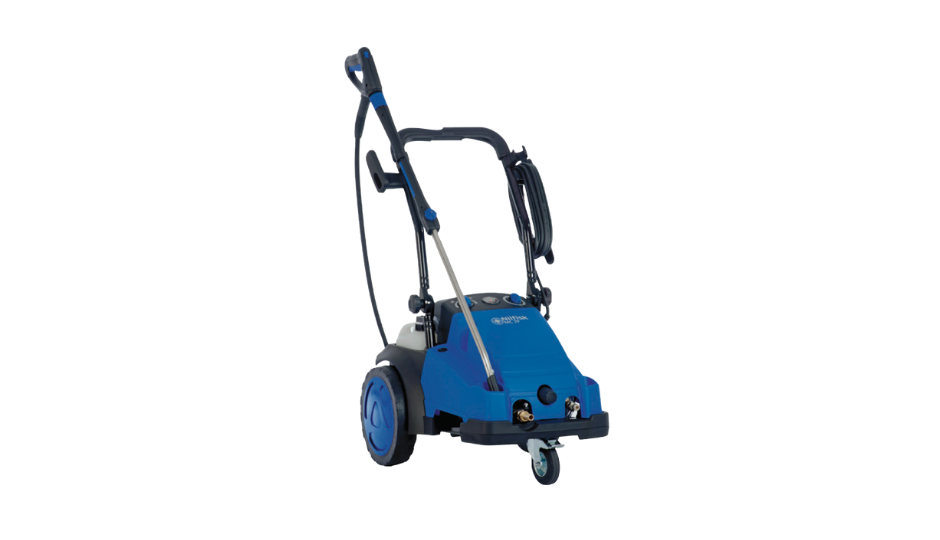
Stationary units mount in a wash bay and are ideal when cleaning always happens in one place, like a plant washdown area. Portable units roll where you need them inside a facility. Trailer-mounted pressure washers carry their own water and power to remote sites, which is perfect for fields, large yards, equipment in the open, and operations spread across many acres.
Water Recovery and California Runoff Rules
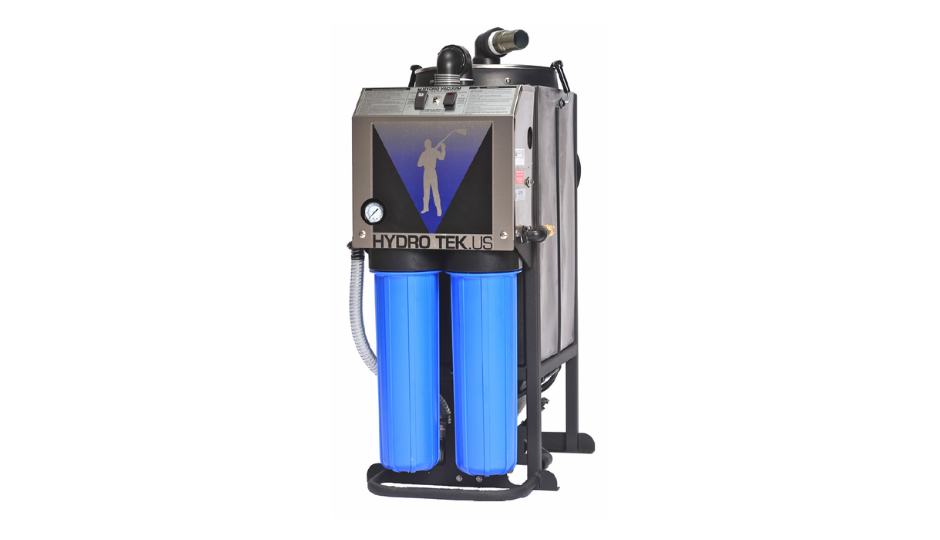
California has strict rules about wash water reaching storm drains and the ground. For many ag and food operations, you cannot let dirty runoff flow off-site. That is where water recovery and recycling systems come in. They capture, filter, and in some cases reuse wash water, which helps you stay compliant and can cut your water use.
If your operation faces runoff requirements, plan for recovery from the start rather than as an afterthought. Our team can help you pair a pressure washer with a recovery system that fits your site and your local rules.
Features for Heavy Daily Use
In agriculture and food processing, a pressure washer runs hard every day, so build quality is not a luxury. Look for an industrial-grade pump rather than a consumer one, since the pump is the heart of the machine. A good balance of pressure and water flow cleans faster than chasing the highest pressure alone, because flow is what carries soil away.
For food work, confirm the unit reaches the temperatures your sanitation plan calls for, and look for reliable detergent injection so you can apply the right cleaners. Quality hoses, guns, and fittings rated for the job keep you running. The specifications that matter for your facility should be confirmed against your sanitation requirements, and our team can help you verify them.
New, Used, or Rental
Total Clean Equipment offers new, certified used, and rental pressure washers. New is best for daily, demanding washdown where uptime is critical. Certified used is a smart way to get industrial capability for less. Rental fits harvest peaks, seasonal cleanups, a special project, or covering a machine that is out for service.
A Simple Decision Framework
- If you clean grease, fats, or food-contact surfaces, choose a hot water pressure washer.
- If you mostly remove mud, dust, and yard dirt, a cold water unit may be enough.
- If you clean remote fields or spread-out sites, choose a trailer-mounted unit.
- If you always wash in one bay, choose a stationary unit.
- If you face runoff rules, add a water recovery system.
- If you run hard every day, prioritize industrial pump and build quality over the highest pressure number.
Frequently Asked Questions
Do I need a hot water pressure washer for food processing?
In most cases, yes. Hot water breaks down grease, fats, and food residue and helps reduce bacteria in ways cold water cannot. For food-contact surfaces and sanitation plans, a hot water pressure washer is usually the right choice. Our team can confirm the temperature your operation needs.
What pressure washer is best for a dairy or livestock operation?
Dairies and livestock sites usually need hot water to cut through animal fats and manure, and many benefit from a trailer-mounted unit that reaches barns and remote areas. The exact build depends on your layout and water supply, which we can help you assess on-site in the Central Valley.
Is higher PSI always better for agricultural cleaning?
No. Water flow often matters as much as pressure, because flow carries loosened soil away. A balanced machine with a strong industrial pump cleans faster and lasts longer than one chasing the highest pressure number. Match the unit to your soil rather than to a spec sheet.
Do I need a water recovery system in California?
Often, yes. California limits what wash water can reach storm drains and the ground, so many ag and food operations need to capture and filter runoff. A recovery system keeps you compliant and can lower water use. We can help you pair one with the right pressure washer.
Should I buy or rent a pressure washer for seasonal work?
Rent for short, seasonal needs like harvest cleanups or a one-time project, and buy when you wash daily and need a machine on hand. Renting also lets you try an industrial unit in your operation before committing to a purchase.
The Bottom Line
Choosing an industrial pressure washer for Central Valley agriculture and food processing comes down to your soil and your sanitation needs. Use hot water for grease, fats, and food-contact cleaning, cold water for mud and dust, and a trailer-mounted unit for remote sites. Plan for water recovery where the rules require it, and put pump and build quality first so the machine holds up to daily use.
Why Buy Your Pressure Washer From Total Clean Equipment
Total Clean Equipment is proud to offer the very best pressure washers and cleaning equipment across California, Arizona, and Nevada. As part of the Haaker family of companies, we back every machine with parts, on-site service trucks, and preventive maintenance programs that keep your operation running through harvest and beyond. Our Central Valley team understands ag and food cleaning and can match you to the right unit.
Ready to find the right industrial pressure washer for your operation? Call our Central Valley location at 559-220-8897 or contact our team to schedule a demo or request a quote. You can also explore our trailer-mounted pressure washers and cleaning detergents.