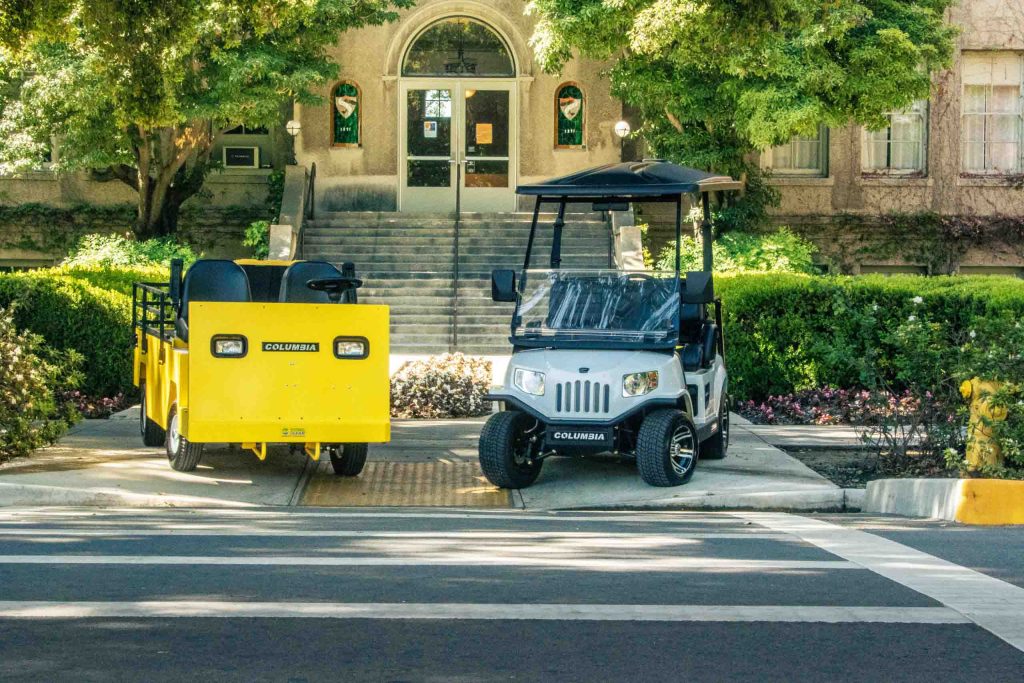
Choosing between electric utility vehicles and gas models for a warehouse, resort, campus, airport or city fleet is a decision with many moving parts. The purchase price is only one piece. Energy, maintenance, downtime, battery care and the way your team works all shape the real cost of owning a vehicle. This guide does not pick a winner for you. Instead, it gives you the questions to ask, the factors to weigh and a simple way to compare options for your own site, whether you run one location in Nevada or a fleet across California and Arizona. For exact specs, pricing and availability, contact your nearest Haaker Total Clean branch.
The right choice between electric and gas depends on your site, your shifts and your budget. Think about where the vehicle works, how many hours it runs, how you will charge or fuel it and what upkeep looks like. Total Clean specialists can walk through the numbers for your fleet.
Start With Total Cost of Ownership, Not Purchase Price
A utility vehicle is a tool you will use for years. Looking only at the purchase price leaves out most of the picture. A better method is to list every cost category for both options, gather real quotes and numbers for your site, and compare the totals over the time you plan to keep the vehicle.
Costs, battery details and options vary by model, so call your nearest Haaker Total Clean branch for exact figures. A specialist can help you build a side-by-side comparison that fits your fleet.
A simple worksheet of factors to discuss
Use the table below as a conversation starter. It lists the areas worth weighing, with a prompt for each. It does not say that one option is better than the other, because the answer depends on your electricity rates, fuel arrangements, labor costs, duty cycle and building.
| Factor to discuss | Electric | Gas |
|---|---|---|
| Upfront cost | Ask for a quote and options | Ask for a quote and options |
| Running cost | Ask how to estimate energy cost for your site | Ask how to estimate fuel cost for your site |
| Maintenance | Ask what service schedule applies | Ask what service schedule applies |
| Battery or engine care | Ask about battery options and care | Ask about engine care and repairs |
| Charging or fueling | Think through where and when you would charge | Think through where and how you would fuel |
| Noise | Consider who works or visits nearby | Consider who works or visits nearby |
| Indoor use | Ask about options for enclosed spaces | Ask about options for enclosed spaces |
| Resale or trade-in | Ask what to expect | Ask what to expect |
Questions that shape the numbers
Before you compare quotes, write down answers to a few basics. How many vehicles do you need? How many hours a day will each one run? Who will drive them, and how many people share each vehicle? How long do you plan to keep them? The more specific your answers, the more useful the comparison becomes.
Charging and Fueling: What to Plan For
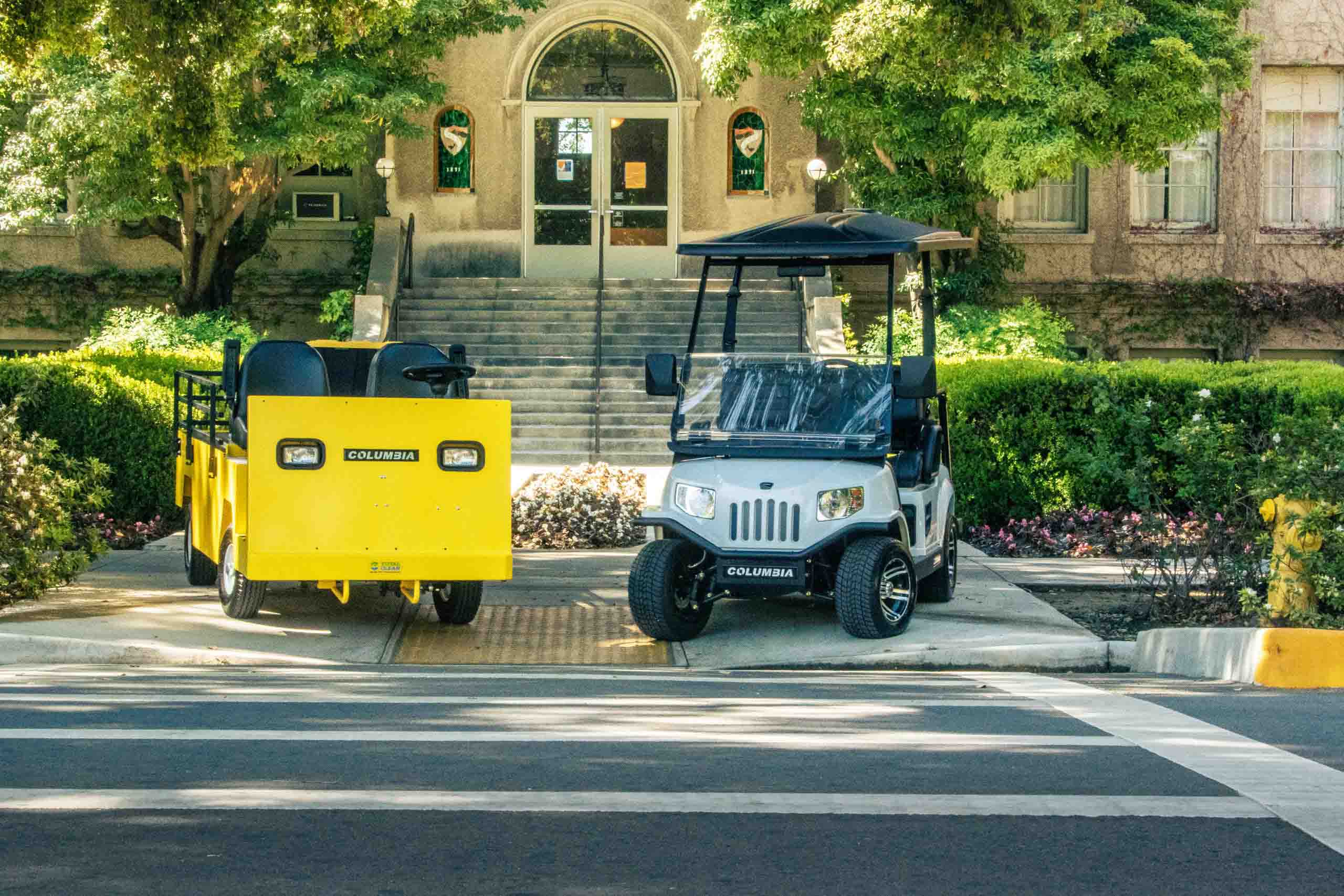
Every vehicle needs energy, and how that energy reaches the vehicle is worth planning early. Think about the end of a typical shift. Where does the vehicle park? Is there space nearby for a charger or a fuel source? Who is responsible for plugging in or filling up?
Questions about charging
- Does the vehicle return to the same spot at the end of each shift?
- Is there space near that spot for charging equipment?
- Would your facilities team or an electrician need to review the setup?
- If you run several vehicles, how many would need to charge at the same time?
- Who will own the daily routine of charging?
Questions about fueling
- Do you already store and manage fuel on site?
- Would drivers need to leave the site to refuel?
- Who tracks fuel use and handles purchasing?
- Does your site have rules or limits you should check first?
Whichever way you go, a clear daily routine helps. Pick one person per site to own it, and write the steps on a card near the vehicle. Your Total Clean specialist can talk through the setup and options that fit your location.
Battery Care and Battery Life
If you are considering electric, battery care deserves its own conversation. Battery details vary by model and by the options available, so ask for the manufacturer’s guidance on the specific vehicle you are considering. Your nearest Total Clean branch can share the details that apply.
Questions to ask about batteries
- What battery options are available for the model you are considering?
- What routine care does the manufacturer recommend?
- What should you plan for when the battery eventually needs service or replacement?
- What does the warranty process look like, and who handles it?
Climate and storage
California, Nevada and Arizona cover a wide range of conditions, from desert heat to cooler coastal and mountain sites. Where and how a vehicle is parked and stored can matter. Ask the manufacturer or your Total Clean specialist what guidance applies to your climate and your site.

Run Time and Duty Cycle
The most useful question is not “How far does it go?” but “What does a normal day look like for this vehicle?” Duty cycle means how long, how far, how heavy and how hilly the work is. Answer that honestly before you choose.
How to map your duty cycle
Ride along for a full shift, or ask the driver to log it. Note total hours in use, how much of that is idle time versus moving, the loads carried, any hills or ramps, and how many drivers share the vehicle. Then add a cushion for your busiest days, such as event weeks, peak season or a large delivery.
Bring that log to a Total Clean specialist. Run time depends on many things, including payload, terrain, driving style and the vehicle itself, so a conversation about your real routes is more useful than a brochure number.
Where will the vehicle work?
- Warehouse and distribution aisles
- Resort and hotel grounds
- Campus and hospital transport between buildings
- Airport and terminal support
- Outdoor yards, large sites and city facilities
Each setting raises different questions about space, noise, surfaces and energy access. For more on how utility vehicles fit daily operations, see our earlier post on Columbia utility vehicles for facility operations.
Indoor Use, Noise and the Work Environment
Where a vehicle works shapes the choice. If it will spend time indoors or in enclosed areas, ask your safety team what your workplace requires and talk to a Total Clean specialist about options. Every site has its own rules, so check them before you decide.
Noise is another point to weigh. Think about who is nearby: guests, patients, students or coworkers. Consider early morning and late night work too. Our post on utility vehicles in hospitality shows how vehicles fit into daily life on a property.
Electric vs Gas: Questions to Weigh Side by Side
| Consideration | Electric | Gas |
|---|---|---|
| Where it works | Ask about options for your site | Ask about options for your site |
| Indoor and enclosed use | Ask about options | Ask about options |
| Noise | Consider who is nearby | Consider who is nearby |
| Charging or fueling access | Think through where you would charge | Think through where you would fuel |
| Routine upkeep | Ask what is involved | Ask what is involved |
| Long or heavy shifts | Ask how the vehicle fits your duty cycle | Ask how the vehicle fits your duty cycle |
| Total cost over time | Ask for figures for your fleet | Ask for figures for your fleet |
Situations That Call for a Closer Look
Some situations deserve extra thought, whichever type of vehicle you lean toward. If one of these sounds like your site, talk it through with a specialist before you decide.
- The vehicle works long shifts with little downtime between them.
- It travels far from any power source or fuel supply.
- Loads are heavy and the vehicle runs for many hours.
- Adding charging at your site would take planning or approval.
- Fuel is already stored and managed on site, and your team knows the routine.
- You want to mix vehicle types across different jobs and locations.
Many fleets use more than one kind of vehicle for different jobs. There is no single right answer, only the one that fits your operation.
Service Support and Downtime
The best vehicle is only as good as the support behind it. Ask any dealer how quickly they can get a technician to your site, who can service the vehicle, and what happens when something goes wrong. Downtime costs real money, so build it into your comparison.
Haaker Total Clean provides service with factory-trained technicians and on-site service trucks across California, Nevada and Arizona. If you already use us for floor care equipment, you can keep your service in one place. You can also schedule service online.
Driver training
Any vehicle is safer and lasts longer in trained hands. Our post on the license to drive utility vehicles from Columbia and Pickman covers training basics. Good habits around speed, loading and daily routines help protect both people and equipment.
Choosing a Vehicle for Your Site
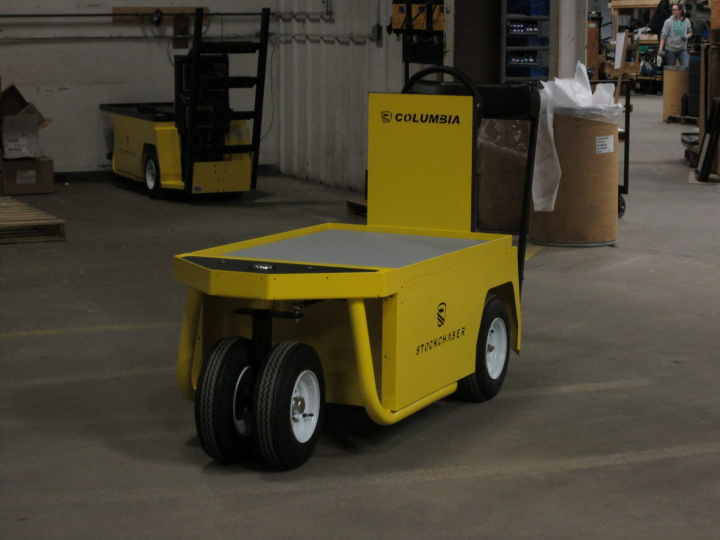
Total Clean carries Columbia and Pickman utility vehicles. Browse the Columbia Stockchaser, Columbia UtiliTruck, Columbia Chariot, Pickman Passenger and Pickman XR 2D pages to see what is available, then ask a specialist which fits your needs. Our posts on the Columbia Stockchaser and the Pickman Passenger offer more background.
If X, consider Y
- If your vehicle works indoors or near people, ask about options for enclosed spaces and noise.
- If it returns to the same spot every night, think about where charging or fueling would happen.
- If your busiest shift is long, ask how the vehicle handles your heaviest day.
- If it travels long distances, think about how and where you would charge or fuel.
- If you carry people or cargo, tell your specialist what, how much and how far.
- If you are unsure, ask about a demonstration and try a vehicle on your real route.

Frequently Asked Questions
Are electric utility vehicles cheaper to own than gas?
It depends on your site. Upfront price, energy, maintenance, battery care and how long you keep the vehicle all play a part, and the answer differs from fleet to fleet. A Total Clean specialist can walk through the actual numbers and options for your fleet. Call your nearest branch for exact figures.
How should I plan for charging electric utility vehicles?
Start with where the vehicle parks, how many hours it runs and who will own the daily routine. Then think about the space and electrical needs at that spot. Haaker Total Clean specialists can talk through charging options for your site. Contact your nearest branch to get started.
What should I ask about battery life?
Ask about the battery options for the model you are considering, what routine care is recommended, what to plan for over time and how the warranty works. Details vary by model, so a specialist at your nearest Haaker Total Clean branch can share the information that applies to your vehicle.
Can I use a utility vehicle indoors?
It depends on the vehicle and your workplace. Talk with your safety team about what your site requires, and ask a Total Clean specialist about options for enclosed spaces. Every building is different, so it is worth reviewing your setup before you choose a vehicle.
How do I choose between electric and gas?
Weigh where the vehicle will work, how many hours it runs, how you would charge or fuel it, who is nearby, and what you want to spend upfront and over time. Then talk it through with a specialist who can look at your actual fleet and routes.
Does Total Clean service utility vehicles?
Yes. Haaker Total Clean provides service with factory-trained technicians and on-site service trucks across California, Nevada and Arizona. Contact your nearest branch to ask about service for your fleet, including what to expect and how to schedule a visit. Our team can also help with questions about your equipment.
The Bottom Line
The best choice between electric and gas depends on your site, your shifts and your budget, not on a one-size-fits-all rule. Map your duty cycle, list your questions about charging, battery care, maintenance and cost, and try a vehicle on your real route. When you are ready for exact specs, pricing and availability, contact your nearest Haaker Total Clean branch.
Why Choose Haaker Total Clean for Electric Utility Vehicles
Haaker Total Clean sells new, used and rental equipment and provides service with factory-trained technicians and on-site service trucks. With branches across California, Nevada and Arizona, we can help you compare your options and keep your fleet running.
Explore our utility vehicles, schedule a demonstration, request a quote, or contact us with your questions. To talk with someone close to you about exact specs, pricing, availability and services, call the branch nearest you below.
Call or Visit the Branch Nearest You
Haaker Total Clean serves California, Arizona, and Nevada. Tap a number to call, or choose “View map” for the address and directions.